
Qi Node 15: 白露 Báilù (White Dew)
The air cools, mornings are damp with dew, and activity begins to soften. This is a time for preservation—of energy, fluids, and focus. Slow down. Eat warm foods. Let stillness shape your days as Autumn deepens.

Young girl leads her grandfather by the hand
Báilù 白露 (White Dew) arrives in early September and runs until the Autumn equinox. It is the third of Autumn's six Qi Nodes, and it is named for something you can walk outside and verify. By early September, overnight temperatures across most of the continental United States fall far enough that water vapor condenses out of the air onto grass, car hoods, and porch railings before dawn. Dew formed in August too, in smaller amounts and burning off within minutes of sunrise. At Báilù it accumulates heavily enough to soak your shoes and lingers until mid-morning. The name records a threshold in the physics of the air, and the threshold is the point of the node.
The node sits between Chǔshǔ 處暑 (End of Heat), which marked the breaking of Summer's heat, and Qiūfēn 秋分 (Autumn Equinox), which will divide the year evenly between light and dark. Daylight is now contracting at close to its fastest annual rate, roughly three minutes a day at the latitude of Portland, and the loss is quick enough to notice week to week rather than month to month. Afternoons still reach into the eighties in much of the country. The change shows up at the edges of the day, in mornings that require a jacket and evenings that turn cold an hour after sunset.
In the Chinese medical reading of the year, Yáng qì has been withdrawing since the solstice, and at Báilù that withdrawal becomes the organizing fact of the season rather than a background trend. Yīn 陰 is ascending, and its character is worth being specific about. Yīn is the gathering, cooling, condensing, and inward-turning aspect of any process. The dew itself is a demonstration: water that was dispersed invisibly through warm air draws together into visible drops as the air cools. That is what Yīn does, in the atmosphere and in the body. It collects what was scattered and gives it form.
Metal, the Lung, and the Dryness of Early Autumn
Autumn belongs to the Metal phase. Metal governs contraction, refinement, and the separation of what is worth keeping from what is not, which is why the tradition associates it with the harvest (incidentally metal is also associated with grief because of its value in understanding what is me and what is not me, what persists and what is gone. See Below). Its paired organs are the Lung and the Large Intestine, and its flavor is pungent.
The Lung in Chinese medicine carries responsibilities beyond gas exchange. It governs the qì of the whole body, controls the opening and closing of the pores, and distributes fluids to the skin and the surface tissues. It is also described as the most delicate of the organs, the one most exposed to the outside, since it is the only internal organ in continuous direct contact with the air. That exposure is why Autumn is the season the Lung feels first.
What the Lung feels at Báilù is dryness. As temperatures fall, the air holds less water in absolute terms, and the drop in humidity is the reason dew forms in the first place. Dry air pulls moisture from every surface it touches, including the lining of the airways. In biomedical terms, the airway surface liquid, a thin fluid layer that lets the cilia sweep debris and pathogens up and out of the lungs, thins when inhaled air is dry. The result is the cluster of complaints that begin to surface in September: a dry throat on waking, a tickling cough that produces nothing, chapped lips, drier skin, and a greater susceptibility to the respiratory viruses that begin circulating as schools return and people move back indoors. The Chinese medical description of Autumn dryness injuring Lung Yīn and the physiological account of impaired lung function in low humidity are two descriptions of the same September.
The emotion assigned to Metal is grief. This is less mystical than it sounds. Autumn is the season in which things visibly end, and the tradition observed that people who are carrying unprocessed loss often find it surfaces at this time of year, frequently alongside the respiratory symptoms above. Clinically, the Lung and grief show up together often enough that asking about one when a patient presents with the other is standard practice.
What the Season Asks
The Sùwèn 素問 (Basic Questions), in its chapter on regulating the Shén 神 across the four seasons, gives Autumn a specific instruction: sleep early and rise early, keep the mind settled and unhurried, and gather the qì inward so that the Lung qì stays clear. Compiled circa 100 BCE to 100 CE, the advice is supposed to be practical rather than ceremonial. It describes matching the body's activity to a contracting day.
Gathering is the work of this node. Summer dispersed attention outward across social commitments, travel, projects, and long evenings. Báilù is early enough in Autumn that the contraction can be gradual, which is the advantage of starting now rather than at the equinox. The specific practice is deciding what continues into the darker half of the year and what does not, and the deciding matters more than any particular answer. People who carry every Summer commitment into November tend to arrive at Winter depleted.
Báilù also asks for protection of the surface. The pores, which opened through Summer to release heat, are still working on the old setting while the mornings have moved on. This is the mechanism behind the common September pattern of catching a cold after a cool evening spent underdressed, and it is why the classical advice is to add a layer earlier than feels necessary rather than later.
Living with Báilù
Eat with the season
Moisture is the organizing principle. Foods that hold water and release it slowly counter the dryness the season brings: soups, broths, stews, congee and other slow-cooked grains, and vegetables cooked with liquid rather than roasted dry. Barley, oats, and rice all work well in this form.
Pears are the Autumn food most directly associated with the Lung in Chinese medicine, and the association holds up on inspection, since a poached or stewed pear delivers water and soluble fiber in a form that soothes a dry throat. Apples do similar work. White and pale foods carry a traditional affinity for Metal and the Lung, which brings in cauliflower, onions, white beans, mushrooms, and daikon or other radishes. Pungent flavor belongs to Metal, so onion, garlic, ginger, and mustard greens all suit the node and have a tangible effect on airway secretions.
The last of the Summer produce is still good and still worth eating. Tomatoes, cucumbers, and melon are at their peak in early September, and there is no reason to give them up becaue they belong to Summer. The consideration is cumulative rather than per-item: a day built entirely on cold and raw food demands more of digestion than one where cool dishes sit alongside something warm. A tomato salad next to a bowl of soup is a well-built early Autumn meal. Ease off greasy and heavily spiced food, which adds heat in a season trying to cool off.
Move with the season
Favor movement that circulates without provoking heavy sweat. Walking, cycling at conversational pace, swimming, stretching, and the slower internal practices like tai chi and qigong all suit the node. Sweat is a fluid loss, and fluids are the thing this season is asking you to conserve, so the hard interval sessions that felt right in July are worth moderating now.
Move the timing earlier. Mornings at Báilù are cool and clear and the air quality is often at its annual best, and exercising in the early part of the day matches the season's own rhythm better than a late-evening workout. If you are outside in the early morning, dress for the temperature you find rather than the one the afternoon will bring.
Rest with the season
Go to bed earlier than you did in August. Half an hour is enough to start with, and the shift should track the sunset rather than the clock. Rising early still suits the season, so this is a lengthening of the night from the front end rather than a later morning.
Protect the evening from cognitive load. Finishing dinner by around seven and leaving demanding work out of the last hours gives the body a long, undisturbed window, which is when the repair work of the season gets done. Keep the bedroom from drying out. In climates where heating starts in September, a humidifier or an open bowl of water near the heat source keeps the airways from spending eight hours in dry air.
Tend your Lungs
Breathe deliberately once a day. Five minutes of slow breathing, with the exhale longer than the inhale, expands the parts of the lungs that shallow daytime breathing never reaches and shifts the nervous system toward parasympathetic tone. Doing it outside in the morning air adds nothing mystical and does add cool, clean, humid air at the time of day it is most available.
There is a traditional early Autumn practice of walking barefoot through the dew for a few minutes at dawn, then drying and warming the feet immediately afterward. It suits people who tend to run hot or hold heat in the upper body, and it is worth trying on that basis. Anyone who runs cold, or who has circulatory problems or reduced sensation in the feet, should skip it.
Attend to grief if grief is present. If something ended this year and you have not had the room to feel it, this is the season when it tends to surface, and the practical version of tending the Lung is often just giving that some space rather than working through it. A conversation, a walk, or an hour without a task will do more here than any dietary adjustment.

Qi Node 13: 立秋 Lìqiū (Autumn Begins)
As autumn quietly begins, Lìqiū marks the rise of Yin and the first inward turn of the year. This essay explores the subtle wisdom of seasonal restraint, the risks of lingering summer heat, and how to align with the cycle through reflection, refinement, and gentle shifts in daily conduct.
The Quiet Arrival of Something New

Lìqiū 立秋, which means Autumn Begins, arrives in early August as the first of Autumn's six Qi Nodes. The name sits oddly against the weather, since early August is often the hottest stretch of the year and nothing in the afternoon suggests a change of season. The turn Lìqiū marks shows up in the light before it shows up in the heat. Days have been shortening since the Summer solstice in late June, and by early August the loss is noticeable at both ends, a later sunrise and an earlier dusk. The sun sits lower, the evening light turns more golden, and dew collects in the mornings where a month ago there was none. Late summer crops come in at their peak all at once, tomatoes, corn, and stone fruit. The heat still rules the day, and beneath it the year has started to turn.
The Qi Node series treats the year as one continuous cycle rather than four separate seasons, and each of the 24 nodes marks a stage in the movement between Yīn 陰 and Yáng 陽. Lìqiū is a hinge. Through the whole first half of the year, from deep Winter to the height of Summer, Yáng has been rising and then ruling. Lìqiū is the point where that direction reverses and Yīn, the cool, inward, consolidating aspect, begins to return. We have just passed Dàshǔ 大暑, Major Heat, the hottest node of the year, and Yáng still dominates everything the senses report. At Lìqiū the direction reverses first, and the degree follows over the weeks ahead.
Metal, the Lung, and the Turn Toward Autumn
Autumn belongs to the Metal phase, Jīn 金, in the Five Phases system. Where Fire, the phase of Summer, moved upward and outward, Metal moves inward and downward. Its qualities are contraction, refinement, and boundary. Metal gives a thing its edge and its structure, and across the year it is the phase that gathers the expansiveness of Summer back into a smaller, denser form. The tradition's image for it is the harvest, when the growth of the warm months is cut, sorted, and stored, and the rest is let go.
In Chinese medicine, Metal governs the Lung and its paired organ, the Large Intestine. The Lung carries a wider role than the biomedical lungs. It governs qì 氣 and breathing, it controls the skin and the body's surface, and it manages the defensive qì (wèi qì 衛氣) that guards the boundary between the body and the outside air. The Lung is also the organ most exposed to the quality of the air itself, which is why Autumn, the season when the air begins to dry, asks the most of it. The emotion associated with Metal and the Lung is grief, and the capacity the phase cultivates is the ability to let go of what the year no longer needs.
This node carries a specific clinical concern, and it is the reason the classics single it out. The heat of Summer, especially the humid heat of the weeks around Major Heat, can leave a residue in the body, a lingering warmth and dampness that was never fully cleared. As Autumn brings drier air, that retained heat meets the new dryness, and the combination is hard to resolve. It tends to produce mixed patterns that cross several systems at once: a dry cough that will not settle, dry or irritated skin, constipation, and a low background agitation with no obvious cause. Damp-heat held over from Summer and dryness arriving with Autumn pull in opposite directions, which is what makes these presentations slow to clear.
Biomedicine describes the same window from another angle. Early August still carries a full heat load, with the cardiovascular and fluid demands that come with it, and it sits at the approach of late-summer allergy season in much of the country, as ragweed and mold spores begin to rise. The respiratory tract and the skin are the body's interface with all of this, the same boundary the Lung governs in Chinese medicine. As humidity starts to fall later in the season, the mucous membranes of the airways dry out, which is part of why coughs and skin complaints become more common heading into Autumn.
What the Season Asks of Us
Lìqiū asks for the first, gentle turn inward after the outward months of Summer. The work here is small, and the timing matters, because the heat is still here, and shifting into full Autumn behavior while it is ninety degrees outside helps no one. Most of what the node asks is to finish clearing the heat of Summer before the dryness of Autumn arrives to complicate it. A person who has been running hot, sleeping poorly, and carrying the accumulated load of a long Summer has a short window now to cool and settle the system while cooling is still the right instruction.
Alongside that, Lìqiū is the moment to begin easing down from Summer's pace. The outward push of the warm months, the long social evenings and the packed weekends, can continue by habit well past the point where the season supports it, and now is when to start reining it in. The node is also the start of the Metal work of consolidation. Summer produces a great deal, in a garden and in a life, and not all of it is worth carrying forward. Autumn is the season for sorting what was grown, keeping what has value, and setting the rest down, and that sorting starts now. The grief that Metal carries belongs to this. Letting go of something that mattered, even a habit or a plan, holds a small loss in it, and the season makes room for that.
Living with Lìqiū
The recommendations below carry through the Qi Node series, with the fourth adjusted to the organ of the season. Small, consistent adjustments across eating, moving, resting, and cultivating work better than an abrupt overhaul, and that holds especially at Lìqiū, where the turn is only beginning.
Eat with the season
The shift in eating is toward moisture, because as the air dries over the coming weeks, moistening foods help the airways and skin keep up. Cooked pears and apples are the easy example, both at their best now and both more moistening when stewed or baked with a little honey. Whole grains like rice and oats, cooked vegetables, and soups add moisture and sit more easily than raw food as the season turns. Because the heat has not broken, the change is gradual. Cooling foods like melon and cucumber still have a place on hot afternoons, and the move is to begin making cooked, moistening food the default. Go easy on what dries and heats the body, particularly heavy alcohol, fried food, and a steady excess of spicy dishes, which the Lung feels first as the air loses its humidity.
Move with the season
Movement follows the same gradual downshift. The timing from high Summer still holds while the heat does, so keep vigorous exercise to the cooler morning and evening hours and stay out of the midday sun. What starts to change at Lìqiū is intensity. The season stops rewarding the maximal outward push of June and July, and this is a good time to let the peak of the training year come down, favoring steady, sustainable movement over all-out effort. Walking suits the node well, especially at dawn or dusk when the air is coolest and increasingly carries the first edge of the turning season.
Rest with the season
Sleep begins to lengthen as the nights do, and the body will want a little more than it did in July. The classical guidance for Autumn, from the Sùwèn 素問, is to go to bed earlier while still rising early, which gathers the qì inward and matches the lengthening dark. Lìqiū is early for the full version of that, though the direction is right: begin protecting sleep, wind the evenings down a little sooner, and let the late Summer nights start to contract. A calmer, earlier evening also helps clear the residual heat this node is concerned with, since a nervous system that settles at night sheds accumulated heat more easily than one kept running late.
Tend your Lungs
This is the cultivation specific to Lìqiū, and the one that changes with each node. The Lung governs the boundary between the body and the air, and the season's work is to protect that boundary as the air begins to dry. Keep your own hydration up, and keep the air around you from getting too dry while indoor cooling runs. Because the Lung governs qì and the breath, slow breathing supports it directly, and a few minutes of long, even breaths in the cooler morning air does real work for the Lung and the nervous system together. The other half of tending the Lung now is the Metal work of letting go. Autumn is when the year starts setting things down, and doing the same in a life, reviewing what Summer built and releasing what is not worth carrying into the colder months, is what the season is actually asking for. It can be as small as ending one commitment that has run its course.
Lìqiū is the opening node of Autumn, and the heat it works around will break over the nodes ahead. Chǔshǔ 處暑, the End of Heat, comes next in late August, and Báilù 白露, White Dew, follows in early September, when the cooling already visible in the morning grass becomes the season's main feature. What you begin now, clearing the last of the Summer heat and starting the turn inward, is what carries into that cooler, drier stretch without the complications the classics warn about.

Qi Node 9: 芒種 Mángzhong (Grain Matures)
You’ve been conserving, planning, and preparing all year. Now it is time to DO!

Close-up image of grains of wheat on the grass stalk
The Season of Awakened Action
Mángzhǒng 芒種, the third of Summer's six Qi Nodes, arrives in early June. The name translates as "Grain in Beard" and refers to the moment when wheat and barley grains develop their awns, the fine bristles that mark the final stage before harvest. In the fields, the grains that had been filling quietly through Xiǎomǎn 小滿 are now nearly mature, and the agricultural work shifts from tending toward gathering. Farmers who have been maintaining the crop for weeks now move into the more urgent and physically demanding work of bringing it in.
The node sits between Xiǎomǎn and Xiàzhì 夏至, the Summer solstice, and its character reflects the position. Yáng qì is still climbing toward its peak, the days are still lengthening, and the heat is building reliably toward its annual high. Mángzhǒng carries more urgency than the earlier Summer nodes because the agricultural window is narrowing (grain that is not harvested in time will shatter or spoil) and because the body responds to longer days and higher temperatures with more available capacity for activity. The solstice is still two to three weeks away, which means the season has not yet reached the peak heat of Xiǎoshǔ and Dàshǔ in July, and the work done now happens under conditions the body can still sustain.
Fire at full volume, with Earth in the mix
Mángzhǒng belongs to the Fire phase, the phase that governs the whole of Summer, and the Heart remains the lead organ of the season. By this point in the calendar, the Fire is burning at sustained volume. The cardiovascular system is working harder to thermoregulate, sweating increases its draw on fluids and electrolytes, sleep shortens naturally, and the nervous system runs warmer. These are the same physiological shifts that began at Lìxià 立夏, now at higher intensity.
What distinguishes Mángzhǒng from the earlier Summer nodes is the presence of Earth. The grain-ripening imagery that gives the node its name belongs to Earth, the phase associated with the Spleen, digestion, and the transformation of food into usable substance. Classical commentary on this node observes that the heat of full Summer combined with the rising humidity of the rainy season produces the damp-heat conditions that place the heaviest load on the Spleen. In clinical terms, this shows up as bloating that tracks with humid weather, heaviness in the limbs, a foggy or sluggish quality of mind, and the sensation of being weighed down despite not having done particularly heavy work. The Chinese medical framing is that the damp conditions the Spleen has to contend with are also the conditions the Fire of Summer is generating in the body, and the two together compound each other.
What the season asks of us
Mángzhǒng is the node that most directly rewards action. The planning of Spring is complete, the steady development of early Summer has accumulated enough momentum to work with, and the projects that have been waiting for their moment generally have it now. The story that has been living in your head gets written, the difficult conversation gets scheduled, the deck gets built, the garden gets the second planting. The season supports sustained work across multiple fronts in a way that the quieter seasons do not.
The risk of the node is the mirror image of its gift. When the season supports action, the temptation to push past a reasonable pace is strong, and the cost of doing so compounds faster now than at Lìxià or Xiǎomǎn. The patients who arrive in late July and August with Summer-heat patterns (insomnia, irritability, exhaustion, inflammatory flares, digestive disruption) often trace the pattern back to three or four weeks of running hard in early-to-middle June without adequate recovery. Mángzhǒng is where the work of Summer is done, and it is also where the conditions for Summer burnout are established if the pace is not managed.
Emotional heat is also a genuine feature of this node. Irritability, impatience, and short tempers appear more readily in hot weather, and brief emotional releases can actually serve a clinical function by discharging accumulated heat. The pattern to watch for is the shift from occasional release to sustained churn. Anger that comes and passes is part of a working system. Anger that settles into a baseline state damages the Heart and sets up the deficiency patterns that follow in the later Summer and early Autumn.
Living with Mángzhong
Eat with the season
Build meals around foods that support digestion under damp-heat conditions. Barley, lentils, white beans, and black beans all have a draining quality that helps the body clear accumulated damp, and barley soup is one of the simplest and most season-appropriate meals you can make. Lightly cooked seasonal vegetables, cooked grains, and simple broths remain the steady base. Bitter greens continue to suit the season, and any of dandelion, arugula, endive, radicchio, or watercress work well. Mung beans and adzuki beans are the ingredients the traditional literature most directly recommends for this season, and they are worth using if you have them, but the functional work they do is available in a normal pantry.
Meal timing matters more at Mángzhǒng than at other times of year. A substantial breakfast, a reasonable midday meal, and a lighter evening meal fits the season's energetics better than the common pattern of skipping breakfast and eating a large dinner. The Spleen functions most strongly in the morning hours, and loading the day's heaviest meal into that window gives the digestion its best chance to handle the increased load. Green tea or chrysanthemum tea through the day supports digestion and helps clear damp-heat without the stimulant load of coffee; peppermint and hibiscus also work well as cooling summer teas. Continue pairing cooler and lighter Summer foods with warm cooked elements in the same meal, as discussed in the Xiǎomǎn post, and watch the cumulative cold load across the day.
Move with the season
Move consistently and keep the sessions well within what the heat allows. Mángzhǒng supports longer walks, swimming, cycling, tài jí, and the kind of sustained outdoor activity the season invites. The important adjustments are timing and recovery. Exercise in the cooler parts of the day, hydrate with attention to electrolytes as well as water, and build genuine rest days into the weekly pattern. Midday exertion in the heat of early June puts real strain on the cardiovascular system and depletes faster than recovery can keep up.
Stretching and mobility work earn their place at Mángzhǒng because damp-heat conditions tend to make the body feel stiff and heavy. Ten minutes of focused mobility in the morning often pays back more through the day than an additional thirty minutes of cardio would.
Rest with the season
Sleep tends to shorten further and become more fragmented at Mángzhǒng, and insomnia patterns often begin or worsen in this window. Keep the sleeping space genuinely cool, eat the last meal at least two to three hours before bed, limit alcohol in the evening, and despite the lingering light, hold bedtimes closer to the sun's schedule than to the clock's. Going to bed two hours after sunset rather than four hours after tends to protect sleep quality noticeably.
A midday rest of fifteen or twenty minutes remains a genuine clinical recommendation through Summer and is especially worthwhile at Mángzhǒng when the day's pace is higher. Deep breathing into the belly before sleep helps settle a nervous system that has been running warm, and ten minutes outside in the evening light, without screens, helps the body register the transition from day to night.
Tend your Heart
The cultivation work specific to Mángzhǒng is pacing the Fire. The season supports intense engagement and is also the node at which over-engagement produces the most predictable damage. Notice when you are saying yes to invitations you do not actually want, when afternoon irritability starts tracking with skipped meals, when your mind keeps racing after you lie down, or when small provocations produce disproportionate reactions. These are Heart signals, and they are worth taking seriously before they become patterns.
Occasional emotional release belongs to the season and is not a problem. A good argument that clears the air, a real cry, or a burst of frustration that passes within the hour all serve a clinical function by moving accumulated heat. The pattern to watch for is the shift from release to rumination. Anger that keeps looping, irritation that builds across days, and the sense of being constantly aggravated are signs that the Fire has tipped from warming to burning, and the response is more rest, more stillness, and more protected time alone.
Mángzhǒng is where much of the year's most meaningful work gets done, and it is also where the conditions for late-Summer depletion are established. The solstice is still ahead, and the major heat nodes of Xiǎoshǔ 小暑 and Dàshǔ 大暑 are weeks away. The patients who move through August and September well are usually the ones who committed to Mángzhǒng fully and who also protected their recovery while doing so.

Qi Node 5: 清明 Qīngmíng (Clear and Bright)
Yang Qi emerges clear and bright at this time of the year, finally strong enough to start really doing things.
Clarity, Renewal, and the Brightness of Spring
From the equality of Yin and Yang during the previous Spring Equinox qi node, now Yang qi emerges as a pure and glowing pristine version of itself, fully reborn into all its active and moving glory. The lengthening days are very obvious now and there is more energy and motivation to spur new growth and the coming abundance of Summer. Yang is fully leading the calendar now. From this node until Summer Solstice, Yin will continue to fade into the background, which should remind us to be mindful of our Yin resources as they are not as abundant through the warm and energetic months of late Spring and Summer.

Classical painting of Chinese people participating in a QingMing ancestor ritual
Qīngmíng, the fifth of Spring's six Qi Nodes, arrives in early April. The name translates as "clear and bright," and it marks the point at which Spring becomes fully itself. The variable weather of March settles into more reliable warmth. The frost dates pass in most temperate regions. Trees that had been budding through Chūnfēn now have visible leaves. Grasses green out across fields and lawns. The air carries fewer particulates than at any other point in the year, which is part of where the "clear" in the node's name comes from: this is genuinely the clearest time in the atmospheric calendar, the result of spring rains washing the air and the absence of summer heat to lift dust and pollen into the lower atmosphere.
In the body, the shift is registered as more sustained energy, longer effective working hours in daylight, and the disappearance of the seasonal-affective heaviness that lingers through the early Spring nodes. Liver qì, which has been the dominant clinical concern through Lìchūn, Yǔshuǐ, and Jīngzhé, is now flowing with less resistance for most patients. The people who still struggle with Liver qì constraint at this point in the year tend to have deeper underlying patterns that warrant clinical attention rather than seasonal adjustment alone.
The festival and its meaning
Qīngmíng is one of the few solar terms that doubles as a major cultural festival in China and across the Chinese diaspora. The festival shares the name of the node and falls within its window, typically on April 4th or 5th. It is one of two major festivals organized around the relationship between the living and the dead, and the rites are specific: families visit ancestral graves, sweep them clean of winter debris, lay fresh flowers, burn incense, and tell stories of the people buried there.
The cosmological logic of the festival is worth understanding because it clarifies something about the season as a whole. The dead belong to Yīn. The living belong to Yáng. The Qīngmíng festival is structured as a formal expression of gratitude from the Yáng (living) to the Yīn (dead) for having carried them through Winter, when Yīn was dominant and the living depended on the slow accumulated wisdom and resource that the dead represent. The same families that sweep graves in the morning typically spend the afternoon flying kites, planting seeds, and gathering outside with the living. The festival's structure carries both orientations at once: thanking what has passed, and turning toward what is starting.
This dual orientation is the conceptual core of the node. Qīngmíng asks for both backward and forward attention. The reflection that was done in deep winter is honored. The projects that have been forming through early Spring are now actually started. Neither orientation crowds out the other.
Time to actually begin
If the previous Qi Nodes have been the season of planning, Qīngmíng is the node where the planning meets execution. Frost dates have passed in most regions, the soil is warm enough for direct planting, the days are long enough to support sustained work, and Yáng qì is mature enough to drive activity without quickly depleting. This is the window for actually putting plants in the ground that you have been preparing for since February, breaking ground on the renovation, starting the training program for the summer race, launching the first version of the new product, or making the first real moves on the project that has been waiting all winter.
The clinical observation worth holding alongside this enthusiasm is that the warm seasons reward steady escalation rather than abrupt onset. Patients who go from sedentary winter into full-intensity training in April tend to produce injuries that take weeks to recover from. The same is true for projects: starting too many things at once, or starting a single thing at full intensity, tends to produce burnout by late May. The work of this node is to begin in earnest while leaving room for the gradual increase that the next three months are going to ask for.
Living with Qīngmíng
Eat with the season
The dietary shift toward lighter foods that began at Yǔshuǐ has now largely completed. Heavy winter foods are out of rotation. Fresh seasonal vegetables are widely available again, and a substantial portion of the plate can be the greens, herbs, and early spring vegetables that the season produces: spinach, kale, chard, dandelion greens, watercress, arugula, asparagus, peas, scallions, fresh herbs.
Bitter and slightly sour flavors support Liver function in a real and specific way. Bitter greens have measurable effects on bile production and digestion. A small amount of vinegar or lemon in salad dressings, or a few thin slices of citrus added to water, gently supports the same function. Light herbal teas like mint, chrysanthemum, or chen pí 陳皮 (aged citrus peel) suit the season and the body's adjustments to it.
Cold and raw foods can enter the rotation more freely than at previous nodes, though iced drinks and very large salads should still be modest in frequency. Lìxià in early May is when the body is fully ready for cooler foods.
Move with the season
This is the node where the body is genuinely ready for dynamic movement. Running, cycling, hiking, swimming, and resistance training all suit this moment. The lengthening daylight supports longer sessions, and the warmer weather makes outdoor exercise comfortable.
The pacing advice is to build gradually. The first three to four weeks of more vigorous activity should be moderate in intensity, with attention to sleep, hydration, and recovery. By the time Lìxià arrives in early May, the body should be ready for the full summer intensity, but Qīngmíng itself is the ramp, not the destination.
Time outdoors is the seasonal practice. A daily walk or run in fresh air, gardening, hiking on weekends, sitting outside during meals when the weather allows. The body responds to natural light and outdoor air in ways that indoor exercise cannot fully replicate, and this is the window of the year where outdoor time is most easily available.
Rest with the season
Sleep continues to shorten naturally with the lengthening days, and most people will find themselves comfortable with seven to eight hours rather than the eight to nine that suited Winter. The transitions into and out of sleep matter more than total duration. A consistent bedtime within a thirty-minute window, and a consistent wake time within a similar window, supports the steady Yáng activity that the season is calling for.
Wind protection is no longer the daily concern it was through Yǔshuǐ and Jīngzhé. The neck and lower back can come uncovered for most of the day. Evenings can still cool quickly, so a light layer for outdoor activities after sunset is still worth having available.
Tend your Liver
This is the cultivation practice specific to Spring, and Qīngmíng is the node where it takes on its mature form. The Liver governs the smooth flow of qì and the capacity to plan and direct. With Yáng now fully established, the cultivation work is to give the Liver clear direction and steady use without overloading it.
The discipline at this node is modulation. The instinct after a long Winter and an uncertain early Spring is to grab everything that has been waiting and pursue it all at once. The seasonal reality is that healthy activity moves in gradual increases and decreases across the year, peaking at the Summer solstice in June and tapering toward Autumn. Patients who treat April as the year's full-throttle moment tend to be depleted by July. Patients who treat April as the early portion of a long crescendo arrive at the solstice with capacity intact and finish summer well.
This applies practically to everything from exercise intensity to work hours to social commitments. Start the projects. Begin the training. Plant the garden. And let the next three months of escalation happen at the pace the seasons are actually moving, rather than trying to compress them all into April.
Qīngmíng sits late in Spring's six Qi Nodes. Gǔyǔ, the final node of Spring, arrives in mid-to-late April and brings the year's most reliable rain. The pace and direction established now is what carries the body into early Summer with the energy and clarity that the warmer seasons are going to require.

Qi Node 4: 春分 Chūnfēn (Spring Equinox)
The lethargy of Winter has given way to the agitation of Spring. Learn more about how you can take advantage of the return of a more directed and potent Yang Qi
Equality of Yin and Yang

Chūnfēn, the fourth of Spring's six Qi Nodes, arrives in mid-to-late March. The name translates as "spring equinox," and it marks the point in the year when daylight and nighttime hours are equal. The Sun crosses the celestial equator on this day, and from this point until the autumn equinox six months later, the days are longer than the nights. The shift is observable in the details. Sunrise moves significantly earlier through this window, the angle of the afternoon light changes noticeably, plants that had been preparing through Lìchūn and Yǔshuǐ begin breaking the soil, and the variable winds of Jīngzhé start to settle into more consistent patterns. Yáng qì, which had been pushing upward against resistance through the first three Qi Nodes of Spring, is now strong enough to direct itself, and the rest of Spring is the season of its maturing.
What equinox actually means
The equinox is often described as a moment of balance between Yīn and Yáng, but the precise meaning of that balance is worth getting right. The equality is one of daylight and nighttime hours, not one of total Yīn and Yáng in the cosmos. Yīn remains the larger and more substantive body throughout the year, the dark ground out of which Yáng emerges and into which Yáng eventually returns. Yáng is smaller in scale but more concentrated and more active. Even at equinox, the proportions of Yīn and Yáng in the universe as a whole are nowhere near equal. What is equal, and what the equinox names, is the meeting of their seasonal expressions in the sky.
This is a useful distinction because it changes what the equinox is doing. Rather than a brief balanced peak followed by tipping into Yáng, the equinox is the moment at which Yáng has grown strong enough to operate independently, while Yīn, still vast, begins to recede into the background of the year. From this point forward, Yáng leads the foreground. Yīn does not disappear; it becomes the steady ground against which the more active phases of Spring and Summer take place.
What is available now that was not before
There is a particular relationship between Yīn and Yáng at this moment that has real clinical and personal implications. When Yīn was dominant through Winter, it was abundantly present but not easily accessible to the more active and directional faculties that Yáng governs. The work of Winter was internal: rest, reflection, the slow accumulation of insight and resource. What was gathered then was not always immediately usable; it was stored, the way a body stores nutrients or a household stores firewood.
At Chūnfēn, Yáng has become strong enough to draw on that stored Yīn deliberately. The reflection that happened in January becomes the basis for decisions in March. The conversations with family in December become the framework for projects starting now. The reading and learning of the winter become the foundation of new work. The clinical observation is that patients who used the winter well, who actually slept enough and rested enough and reflected enough, arrive at Chūnfēn with resources they can spend. Patients who pushed through winter as if it were a slightly darker version of summer arrive at Chūnfēn already depleted and tend to struggle through the more demanding seasons that follow.
This is the underlying point of treating the year as a cycle rather than a continuous stretch. Each season prepares for the next. The energy that Spring asks the body to spend was supposed to be gathered in Winter, and the energy that Summer asks for was supposed to be gathered through Spring. Chūnfēn is the first node where this becomes obvious in practice.
Living with Chūnfēn
Eat with the season
The dietary shift that began at Yǔshuǐ and continued through Jīngzhé can now move further. Heavy winter foods can largely come out of rotation. Slow-braised meats, dense root vegetables, and long-simmered stews give way to lighter cooking methods, more fresh greens, and a wider range of vegetables as they begin to come into season.
Pungent and aromatic flavors continue to do useful work. Scallion, chives, fresh ginger, garlic, mustard greens, watercress, arugula, and dandelion greens all support the rising Yáng qì and help disperse stagnation accumulated through winter. Steamed and lightly sautéed greens, simple grain bowls with seasonal vegetables, and broths with fresh herbs are well-matched to this moment.
Cold and raw foods can begin entering the rotation in small amounts, but with caution. The afternoons are warm enough to make a salad appealing, and the digestive system has adapted enough to handle modest amounts of raw food without trouble. Larger raw meals, smoothies, and iced drinks should still wait. Lìxià in early May is when the body is ready for those.
Move with the season
This is the Qi Node where exercise can resume meaningfully. The body has the resources to do more than it could at Jīngzhé, and the lengthening daylight supports more sustained activity. Brisk walking, easy running, cycling, and the early phases of resistance training all suit this moment.
The practical advice is to ramp gradually. The first three weeks of more vigorous exercise should build slowly, with attention to recovery and sleep. Pushing to full capacity in late March is one of the most common precipitating factors for injuries that show up across the summer. A reasonable rule is that workouts should leave you feeling energized rather than depleted; if a session produces fatigue that lasts into the next day, the dose is too high for now.
Gardening is the seasonal exercise par excellence at this moment. Tilling soil, moving compost, planting, and the bending and lifting that come with all of it engage the body in exactly the patterns the season is asking for. If you have access to ground to work, this is the best time of year to be working it.
Rest with the season
Sleep duration continues to shorten naturally as daylight extends, but the quality of sleep should remain steady. Going to bed within roughly the same thirty-minute window each night, and waking within a similar window each morning, supports the kind of consistent rhythm that lets the body use the rising Yáng without becoming agitated by it.
Wind protection is still worth maintaining through the end of March, particularly in the morning and evening when temperatures drop. The neck, lower back, and feet remain the most vulnerable regions. By Qīngmíng in early April, this concern fades; for now, the scarves stay close at hand.
The traditional practice for Chūnfēn is neigong at sunrise. The Sun crosses the equator on this day, and standing facing the rising sun for fifteen or twenty minutes of slow breathing is the classical practice for the node. Breathe deep into the belly and imagine the morning light gathering into the body with each inhalation. The practice is simple, and its benefit is cumulative across the weeks that follow.
Tend your Liver
This is the cultivation practice specific to Spring, and Chūnfēn is the node at which the practice becomes most clearly available. The Liver governs the smooth flow of qì and the capacity to plan and direct. With Yáng now strong enough to operate independently, the seasonal work shifts from preparation to execution.
The plans that have been forming through Jīngzhé can now be made concrete. Garden layouts get finalized and planted. The new skill or hobby that has been considered can be started in earnest. The career or business expansion that has been in the planning stage can begin its first real moves. The intellectual project, the writing, the difficult conversation that has been postponed since January — all of these have a window now that they did not have a month ago.
The cultivation discipline is to channel the rising energy toward what actually matters rather than letting it diffuse into busyness. The danger at Chūnfēn is not under-activity but misdirected activity: starting many things, finishing none, mistaking motion for progress. The Liver wants direction, and giving it clear direction is what allows it to function smoothly. A short list of two or three meaningful projects, pursued with steady attention, will produce more by midsummer than a long list pursued with scattered attention.
Chūnfēn sits at the midpoint of Spring's six Qi Nodes. Qīngmíng, the next node, arrives in early April and brings the year's first real warmth. The work established now is what carries into the more confident Yáng of mid-Spring.
Qi Node 23: 小寒 Xiǎohán (Lesser Cold)
The decline of Yin begins with this node and sets up the transition toward the young Yang of Spring.
Seeing with More than Your Eyes
Yin is the more subtle of the two interacting forces that shape the world around us. Remember that Yin is substance and form, heavy and deep, dark and complex and also remember that it is fundamentally mysterious. The nature of Yin collects and holds the wisdom of our ancestors, the knowledge of how life was lived and what was valued both for humans on this plane, and for every other being, and every other manifestation on every other wavelength and on every other dimension throughout time, space, and beyond. Woah! If you feel like you need to reread that sentence a few times — I had to rewrite it a few times so that it made any sort of sense at all. That’s because of the very properties of Yin the sentence is trying to describe. There aren’t any words that can capture it completely. How it works in our lives can be glimpsed and sometimes analyzed, but never truly known.
In particular, the dynamic of the 23rd Qi Node, 小寒 Xiǎohán, is even harder to discern. We don’t have the direct experience of an incredibly long night like at Winter Solstice, nor do we have the palpable change in the weather patterns that help us see the movement of Qi in the environment like in late spring or late fall. Instead, much of our ability to understand this node has to do with softer sensations like our emotional needs, our dreams (or lack thereof), and the reminiscence and reflection that move to the fore of this time of the year.
The Imminent Decline of Yin
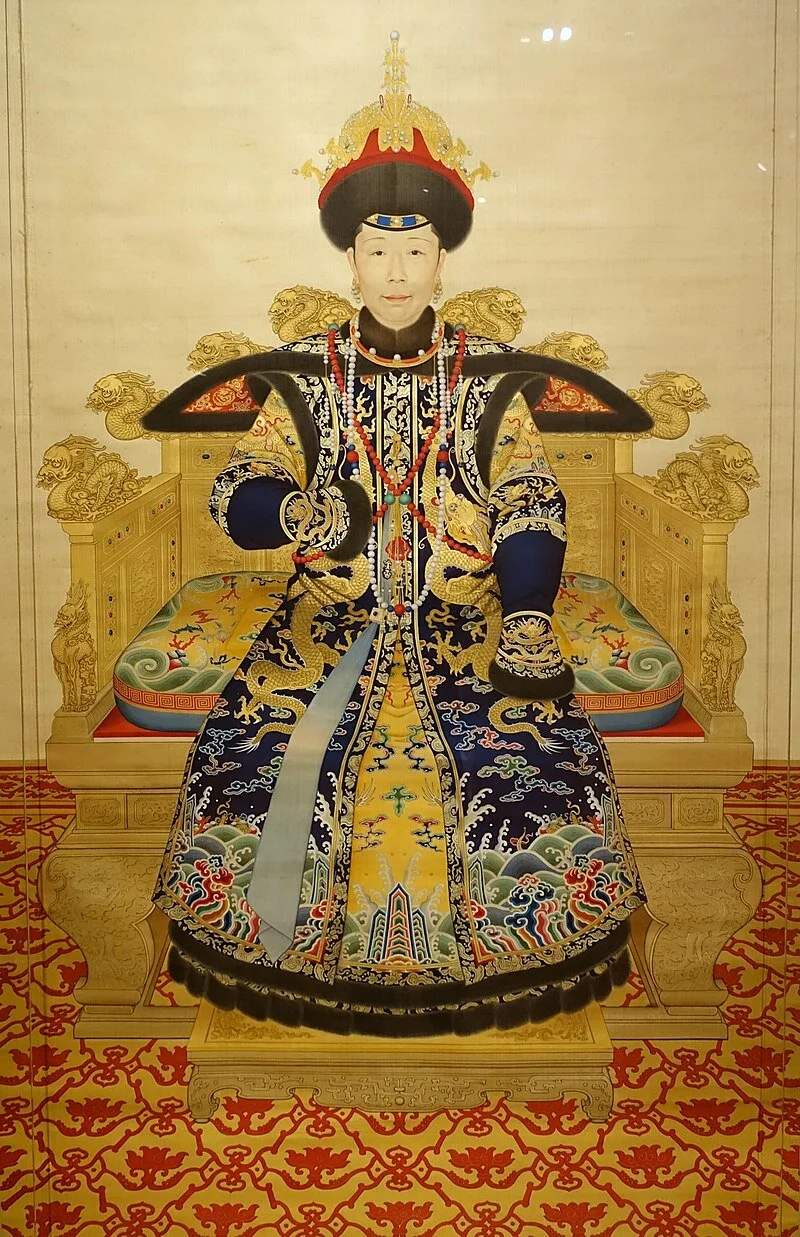
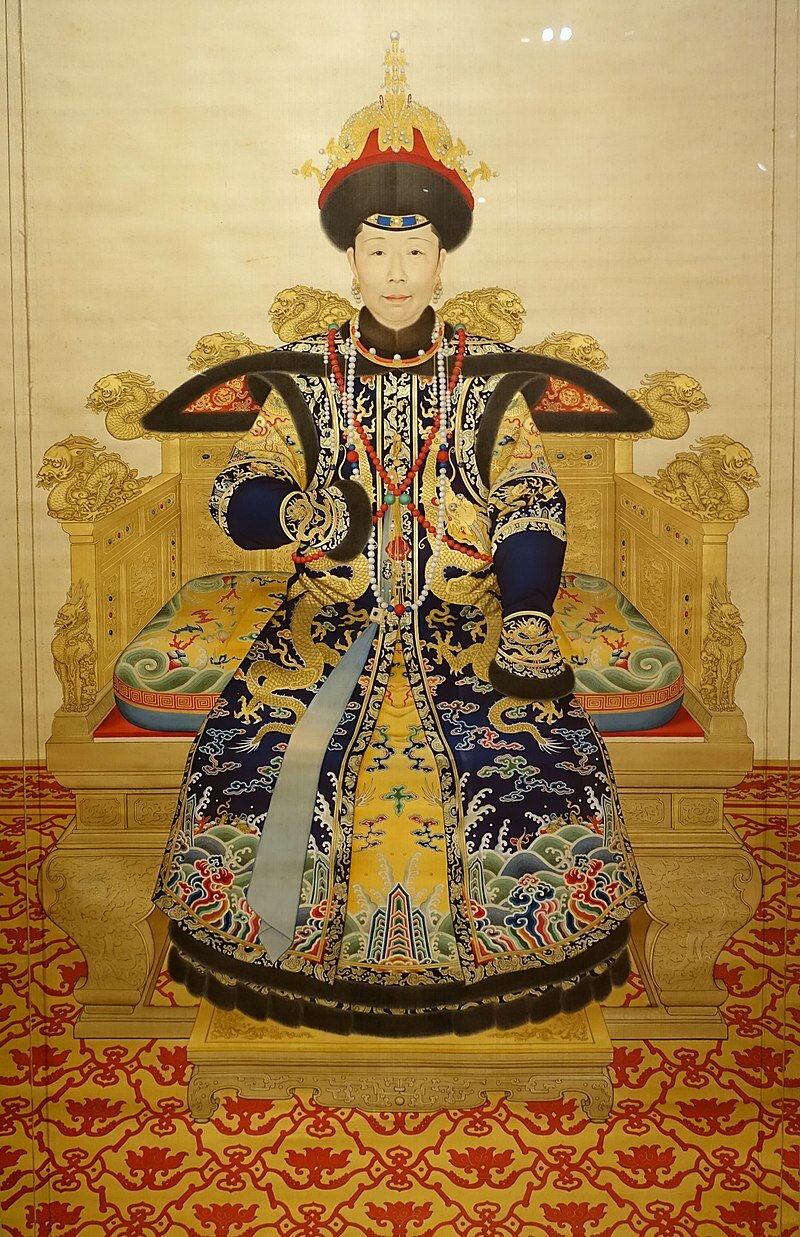
A classic metaphor to qualify Yin at this Qi Node is the image of a dowager empress acting as regent for her young son. She has been ruling things for several years and her power is absolute (Qi Node 22: Winter Solstice), but the young emperor is getting older and it will not be much longer before she will have to cede the throne to her son. She is still very much in control of her surroundings, but she too is getting older and the knowledge that she will not be able to remain in her post forever is now undeniable.
This narrative helps us to understand the movement of Yin and Yang during this time of the year where Yin is still the dominant force, and its ability to shape everything in our environments is just like the powerful Empress Regent. Yang is young, just reborn at the height of the Empress’s power during solstice and is growing toward self-awareness every day. Yang is still vulnerable though and easily misdirected. It has little of its own identity and relies almost entirely on the nurturing depth of Yin to keep it safe. Yet despite this dependence, the Empress Regent Yin feels the drain of constantly nourishing her burgeoning young Emperor Yang more than she did in the past. Her resources are beginning to wane, and it is time to prepare for transition.
Experiencing 小寒 Xiǎohán
Often people start to inhabit an emotional space called the “Winter Blues” during this time of the year. It now even has a loose diagnosis called SAD or seasonal affective disorder and has been biomedically linked to reduced exposure to sunlight and lower levels of Vitamin D. In response to this biomedical explanation, there has been a proliferation of desktop lamps that mimic sunlight and an increase in supplements of Vitamin D to help “counteract” the effects of the season. Interestingly, even in more equatorial parts of the world where the variance in daily sunlight hours is much smaller than in more polar regions, many people still report feeling more melancholic, less-motivated, and nostalgic or regretful. Our modern desire to avoid these types of feelings has motivated researchers and product manufacturers to create tools to help us minimize these emotions and continually reorient ourselves toward activity and ebullience.
Why we are so driven as modern people to skirt any association with non-exuberant emotion is a much longer conversation of Western (read modern) people’s negative relationship with Yin stuff and the celebration, and even worship, of Yang stuff for thousands of years. For now, let me say that the movement toward inactivity, slower days, longer hours sleeping, deep reflection, a want to apologize for past transgressions, and a sense that there is a deep yawning void “out there” is completely normal and appropriate. It is the nature of Yin to stretch out endlessly in front of us during this time of the year, and as we stand on the precipice of that enormity, it can make us feel small, insignificant, and utterly without value in the great scheme of things. The beauty of looking at the movement of life through the various qi nodes and the seasons is that even in the face of Yin’s disconcerting profundity, we know that its overwhelm is temporary. It is a glimpse at what our, and many other’s, reality is made from and stitched with, but it is not an end in-and-of-itself. In fact, it is this very complexity that creates the nursery for Yang, for activity, for analysis, for execution of tasks and plans. So, sit with your reminiscence. Spend time with your feelings of inadequacy. Embrace your lack of motivation to do big things and make the things you do smaller. Take the experience of your past and the pasts of other people and begin the soft stages of imagining what the next year could be. Weave regret into the fabric of who you are so that you can rely on what it has taught you as you spin the cloth of a coming new year.
Conduct During the 23rd Qi Node
Historically, many Chinese people used this and the next qi node to begin cleaning the interior of their homes in preparation for the socialization of Spring. They spent time indoors and eschewed many social engagements (often because in Northern China it was literally too cold and snow-covered to go outside and travel anywhere), eating foods that had been long-cooked and then reheated or even eaten cold when the dish suited it.
For contemporary people, 小寒 Xiǎohán is an opportunity to think about the coming year. To take it easy and brew cups of coffee or tea to drink as you spend time with yourself or your immediate family and avoid overextending yourself in work, tasks at home, or social obligations. The time for revelry is coming in about a month, but it’s not here yet. Creative efforts should be limited to planning stages and brainstorming, but real creation, especially of anything new, should be tabled until later in Spring. Exercise should be slow and minimal, focusing on stretching, shaking, tapping, and simple calisthenics. Definitely no marathon runs or intense mountain hikes, and minimize your sweating above all else. That kind of vigorous activity demands that Yang qi get up from its nest and rise to the surface to provide the necessary energy and force to get those tasks done, and it is far too young and fragile to have such demands made of it. Yang will respond to your call (you are still alive of course), but the cost to its available resources later in the year will be greater and could reduce the amount of available Yang over the course of your life. It is much better to wait and sync those vigorous types of activities with the right seasons.
Take your time. Take your rest. Appreciate the constantly changing nature of your environment. After all, experience is the point of embodiment.

Qi Node 6: 谷雨 Gǔyǔ (Grain Rain)
The nature of Earth is to hold space and to create context. This qi node sets the stage for the coming summer and gives us insight into how we dealt with the qi of last Fall.

This is the first of the interseasonal transition nodes in the year. Each season belongs to one of the five Chinese phases of qi movement:
Spring: Wood
Summer: Fire
Fall: Metal
Winter: Water
But what of the fifth phase, Earth?
The nature of Earth is to hold space, to be the literal ground upon which everything else is built. It functions as the counterpoint to the ephemeral nature of Heaven by being solid, heavy, and slow to move. This constancy is exactly what is necessary when the qi of the seasons shifts. Moving from any one seasonal qi to another would be jarring without a stabilizing force. The upward and outward movement of Wood, for example, would be severely exacerbated by the intense vertical nature of Fire and would likely result in stronger heat pathogens, more violent storms, and irregular plant growth that could result in die-offs and less yield. All these problems are prevented by the nature of Earth, which presents at four qi nodes throughout the year, each placed between seasons so that Earth can be a neutral meeting place, a context for one season to hand off its reigns to the next season without jostling for control or position. Grain Rain is the first of such Earth influenced Qi nodes.
Of course, this node has its own flavour beyond being an Earth node. It represents the increasing warmth of Yang qi and thus infuses the growing process with a tendency to expand and to replicate. Blossoms appear everywhere, nectar-rich fruit trees call the pollinators from near and far, and the ground is abuzz with activity, promising future abundance. The booming sound of thunder forecasts a healthy coming season and functions to welcome the potency of Summer Yang Qi.
Now is the time to make your own transitions:
Graduate from school, take that new promotion, move to a new house,
play music, and dance.
Special Note: All Earth aligned transition qi nodes pose potential health problems related to Chinese medicine dampness. For Grain Rain, this usually means Wind Dampness showing as nasal congestion, dry throat, seasonal allergies, and indigestion. In many ways, your experience during this node highlights your conduct from last autumn and your investment in cultivating the qi of Spring. If you find your health to be less than optimal, this Fall will provide you another opportunity to make a shift that could benefit you next Spring. Each part of the cycle gives us insight into the way we have adapted to previous parts of the year and provides the opportunity to conform our conduct to our circumstances. Every moment is an opportunity to leverage our activity and headspace in the service of our own wellbeing.