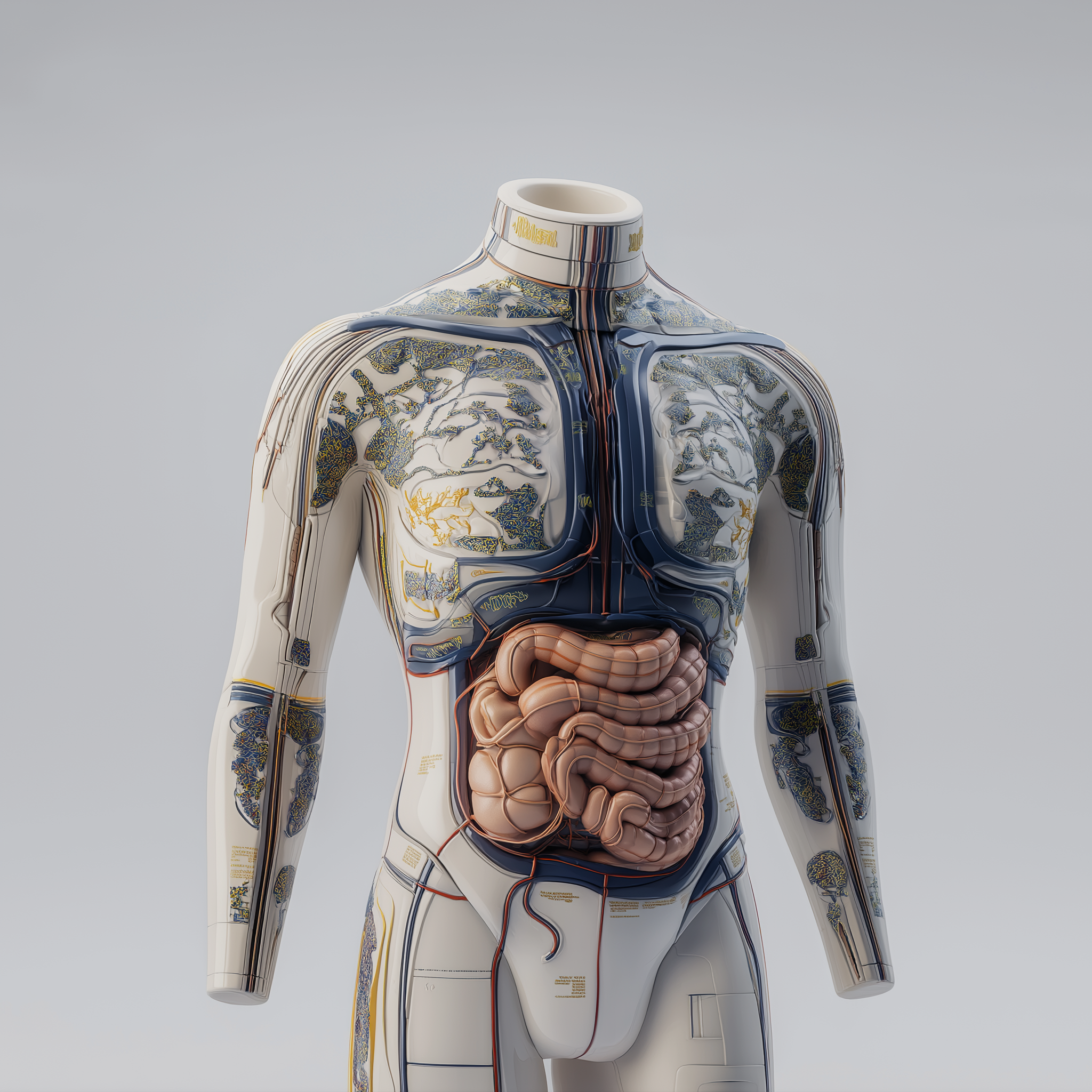
Foundations of Chinese Medicine: The Spleen
Digestion is the root of virtually all other human physiologic processes. Learn about how Chinese medicine thinks about and works with the natural strength of your digestion to maximize outcomes and power a healthy life.
What the Spleen Actually Does
Patients often come into the clinic for one thing and get asked about another. Someone arrives exhausted, and we spend ten minutes on their bowel movements. Someone comes in for heavy periods, and we want to know what they eat for breakfast. Someone is worried about a bruise that took three weeks to fade, and we ask whether they feel worse when they skip meals. The questions can seem oblique, and most patients are gracious about answering them without quite knowing why we are asking.
The reason is that Chinese medicine treats the digestive system as the upstream source of almost everything else the body does. The tradition has a specific organ system, the Spleen, whose job is to take food and fluid and turn them into the substances the body uses to power, build, and repair itself. When that conversion is going well, the downstream systems have what they need and tend to work. When it is going poorly, the downstream problems show up first, which means people often arrive at the clinic for fatigue or menstrual irregularity or anxiety or poor healing, not recognizing that their digestion is the variable that ties them together.
This is one of the genuinely distinctive moves in Chinese medical thinking, and it reorganizes how a lot of common complaints get approached. It is also one of the harder ideas to translate, because the Spleen in this sense is a different organ than the biomedical spleen. Understanding what the tradition actually means by it is most of the work.
The Spleen as Functional System
A short note on the word first. The English "spleen" is a translation of the Chinese character 脾 (pí), and the translation is old enough to be fixed even though it is misleading. The biomedical spleen is a small organ in the left upper abdomen involved in blood filtration and immune function. The Chinese Spleen is a functional system that encompasses digestion, nutrient absorption, fluid metabolism, and the production of qì and Blood from food. The two share a name and very little else. When Chinese medicine writing capitalizes Spleen, it is signaling that the functional system is meant rather than the anatomical organ.
This kind of naming is common in Chinese medical thinking. The organs are defined by what they do rather than by what they are structurally, which means the Heart in Chinese medicine includes functions biomedicine locates in the brain, the Kidney includes functions biomedicine locates in the adrenal glands and reproductive system, and the Spleen includes functions biomedicine distributes across the stomach, small intestine, pancreas, and parts of the liver. The tradition is not confused about anatomy. It is organized around a different question, which is what the body is doing rather than where the doing is happening.
For the Spleen, what it is doing is the transformation of food and fluid into the substances the body actually uses. Classical texts name these substances qì and Blood, and most of this post is about what those terms mean in practice and why the Spleen's role in producing them matters so much clinically.
Qì and Blood as Bodily Resources
Qì 氣 is the most translated and most mistranslated term in Chinese medicine. "Energy" is the usual English rendering and it flattens the term into something vaguer than the tradition intends. In the context of digestion and the Spleen, qì is better understood as the body's capacity to do work. It is what powers muscular movement, keeps organs in their proper position, holds blood inside vessels, drives immune responses, and sustains the countless small cellular operations that add up to being alive. Biomedicine would describe most of this as a combination of ATP, hormonal signaling, neural activity, and tissue integrity. The Chinese framework groups these functions under a single term because the tradition is interested in whether the body has enough of what it needs to do its work, and qì is the name for that sufficiency.
Blood in Chinese medicine overlaps with biomedical blood but extends further. It includes the physical substance that biomedicine measures in a CBC, and it also includes the nourishing and moistening function that blood performs for every tissue it reaches. Blood nourishes muscle, moistens the eyes, supports the mind and memory, carries warmth through the body, and provides the substrate for menstrual flow. When Chinese medicine says someone is Blood deficient, the claim is not necessarily that their hemoglobin is low, though it sometimes is. The claim is that the nourishing and moistening work that Blood is supposed to do is not getting done adequately, and the signs of that deficit show up in the tissues that depend on it.
Both of these substances are produced, in Chinese medical theory, by the Spleen acting on food and fluid. The Stomach receives and begins to break down what you eat, and the Spleen extracts from that partially processed food the refined substance that becomes qì and Blood. The unrefined remainder continues down through the digestive tract for elimination. This is the tradition's account of what digestion is for: not simply to move food through the body, but to convert it into the resources the body uses to run everything else.
The implication is direct. If the Spleen is doing its job well, the body has what it needs. If the Spleen is weak, the supply is thin, and the downstream systems that depend on qì and Blood show the shortage first.
What Spleen Weakness Looks Like Downstream
The clinical pictures that follow are among the most common in outpatient Chinese medicine, and they share a structural feature. None of them is primarily a digestive complaint, and in each of them, improving digestion is often how the complaint resolves.
Fatigue is the most direct. When the Spleen is producing less qì than the body needs, the body has less capacity to do work, and the experience of that shortage is tiredness. The specific quality of Spleen-related fatigue is worth knowing, because it is different from other kinds of tiredness. Patients describe it as heavier after meals rather than relieved by them, worse in the afternoon, accompanied by a sense of mental dullness or brain fog, and often paired with a desire to lie down rather than sleep. It is the fatigue of not having enough to work with, not the fatigue of having worked hard. Standard workups typically come back unremarkable, and patients are often told their labs are fine and their fatigue is stress. The Chinese medical account is that the fuel supply is thin, and the fix is to improve what the digestion is producing.
Menstrual patterns are another territory where Spleen weakness shows up clearly, in two opposite-looking presentations. Light, pale, shortening periods often reflect Blood deficiency, which the Spleen has a direct role in producing. Heavy, prolonged, or breakthrough bleeding often reflects what the tradition calls the Spleen failing to hold Blood in its vessels. Both of these patterns are Spleen patterns, even though they look nothing alike symptomatically, and both of them respond to strengthening Spleen function. Patients who have been told their heavy periods are just how their body is, or that their scanty periods are just stress, often find that several months of digestive support changes the picture meaningfully.
Easy bruising and slow wound healing belong to a similar family. The Spleen's role in holding Blood includes holding it inside small vessels under normal mechanical stress, and when that function is weakened, minor bumps produce bruises that the same bumps would not have produced a year earlier. Healing is also a construction project, and construction projects require materials. When qì and Blood supply is thin, wounds take longer to close, scars take longer to mature, and recovery from illness takes longer in general.
Anxiety that tracks with hunger is the clinical picture most patients find unexpected. When people notice that their anxiety is worse when they have not eaten, better after a meal, and prone to flare in the late morning or late afternoon, the pattern often involves Spleen weakness affecting the production of qì and Blood that support the Heart and the mind. The biomedical parallel is blood sugar regulation and the downstream effects on cortisol and mood, and the two frameworks are describing related aspects of the same underlying reality. Patients in this pattern often do better on regular meals with adequate protein and complex carbohydrate than on any amount of anxiety-directed intervention, because the anxiety is a symptom of a supply problem rather than a primary psychological condition.
Cognitive fog, poor concentration, and the specific complaint of "not feeling sharp" round out the common presentations. The Chinese medical account is that the mind depends on adequate qì and Blood reaching the Heart and the head, and that supply depends on the Spleen. When the digestion is not producing enough, the cognitive work that depends on that production suffers, and patients describe feeling dull, slow to find words, or foggy in ways that do not track with sleep or stress.
Why This Reframes the Clinical Approach
The common thread across these pictures is that the presenting complaint is not the problem. Fatigue, irregular periods, easy bruising, hunger-related anxiety, and cognitive fog can all be driven by digestive insufficiency that the patient has not connected to their symptoms. Chinese medicine looks for this connection routinely, which is why the intake asks about things that seem unrelated to what brought someone in. The practitioner is checking whether the downstream symptom might have an upstream driver.
When the driver is identified, the treatment often targets the digestion rather than the symptom. Herbs that support Spleen function, dietary adjustments that match the Spleen's preferences for warm, cooked, regular meals, acupuncture points that strengthen digestion, and lifestyle changes that reduce the load on the digestive system are the common tools. Patients sometimes find it disorienting that the treatment for their heavy periods is a change to how they eat breakfast, or that the treatment for their fatigue is an herbal formula aimed at their digestion. The logic becomes clearer when the framework is visible. If the Spleen's output is what the downstream systems are running on, improving that output is how the downstream systems get fixed.
This is also why Chinese medicine tends to improve a set of apparently unrelated symptoms at once. A patient who comes in for fatigue and also has heavy periods, slow healing, and afternoon anxiety often finds that all of them shift together over a few months of treatment, because the shared upstream cause is getting addressed. Patients sometimes remark on this with some surprise. They came in for one thing and got five things, and the five things were all the same thing.
The broader point is that the digestive system in Chinese medical thinking is not peripheral to the rest of the body's function. It is the source from which the rest of the body's function is built. Understanding this reframes why the tradition pays so much attention to what and how people eat, why so many Chinese herbal formulas include digestive support as a base, and why patients with complaints that have nothing apparently to do with digestion often benefit most from having their digestion treated first. The Spleen is doing more work than its quiet name suggests, and recognizing that is most of what makes the rest of the tradition make sense.
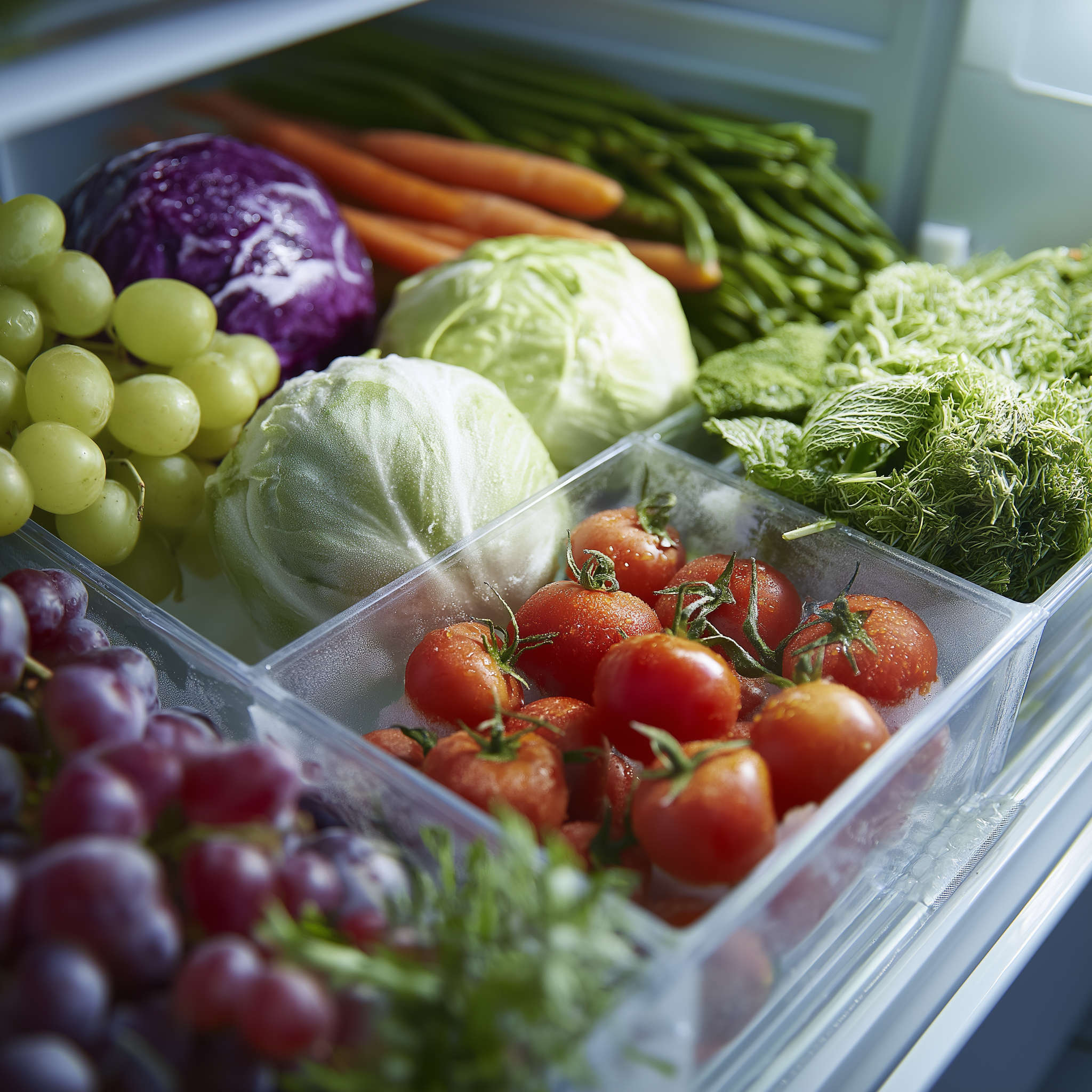
Everyday Alchemy: Cold and Raw Cautions
Learn about ways to maximize your digestive strength by being mindful of how much cold and raw food you are eating.
On Cold Food, Raw Food, and the Digestive Fire
There is a recommendation that comes up often in Chinese medicine clinics and almost never in the rest of the food conversation in this country: go easy on cold and raw foods, and when you do eat them, eat them in the season they grow, during the part of the day when your digestion is strongest, and in a smaller quantity than the salad-bar version of health would suggest. This runs against a lot of contemporary nutritional advice, which tends to frame raw vegetables and iced drinks as categorically good and to treat any caution about them as fussy or unscientific. The Chinese medical position is more specific than that, and once you see what it is actually claiming, it tends to stay with you.
Cold and raw foods have a place. The question the tradition asks is where that place is: which foods? in which season? at which time of day? and in what quantity?
Why the Digestive Fire Matters
In Chinese medical terms, the reasoning starts with the Spleen and Stomach, the paired organ systems responsible for what the tradition calls the transformation and transportation of food. The Spleen in this sense is the functional system that takes what you eat and drink and converts it into the substances the body actually uses, which is a larger role than the small immunological organ biomedicine names by the same word. That process runs on warmth. Classical texts describe the Stomach as a cooking pot and the Spleen Yáng as the fire underneath it, and the metaphor holds up well enough that it is worth taking seriously. Food that arrives cold has to be warmed to body temperature before the digestive system can work on it, and that warming costs the Spleen something each time. A cold meal occasionally is a small cost. Cold meals as a daily habit, especially in people whose digestive fire is already low, become a pattern called Spleen Yáng deficiency. The clinical presentation includes bloating that worsens after cold foods, loose stools, fatigue after eating, cold hands and feet, and a general sluggishness that people often attribute to stress or sleep when the more proximate cause is sitting on their plate.
Raw food sits in a similar category, slightly differently. Raw plant material is harder to break down than cooked plant material, because cooking does some of the work of digestion in advance by breaking down cell walls and making nutrients more available. A healthy digestive system handles raw food well. A depleted one struggles, and the difference shows up as the same bloating and sluggishness that cold food produces, often with more gas. Raw vegetables in moderation, in the warmer seasons when the body has less thermoregulatory work to do, eaten when digestion is strongest (daylight hours), are a different proposition from a kale salad at six in the evening in February.
The physiological picture in biomedical terms lines up with the traditional framing more than you might expect. Gastric emptying slows when the stomach has to warm incoming food. Digestive enzyme activity is temperature-dependent, with most enzymes working optimally at body temperature and dropping off sharply below it. Cold liquids in particular trigger transient vasoconstriction in the gastric mucosa, which reduces blood flow to the tissue that does the actual work of digestion. None of these effects is dramatic in a single meal. They accumulate across a dietary pattern, and they accumulate faster in people whose digestion is already compromised by stress, illness, medication, or age. The Chinese medical account of why cold and raw foods burden digestion describes a thermoregulatory and enzymatic reality that centuries of clinical observation identified well before laboratory measurement could confirm it.
Season, Time of Day, and Amount
Seasonality enters the picture because what grows locally at a given time of year tends to be what the body can actually use at that time of year. Summer produces the cooling, hydrating foods a warm body wants: watermelon, cucumber, tomato, leafy greens, soft fruits. Winter produces the denser, warming foods that support metabolic function in cold weather: root vegetables, cabbages, winter squash, alliums. The contemporary grocery store has flattened this calendar by making strawberries available in January and butternut squash available in July, but the body has not updated accordingly. Eating watermelon in January asks the digestive system to cool a body that is already working to stay warm. Eating strawberries in January gives you a fruit that was picked unripe, shipped thousands of miles, and contains a fraction of the nutrients it would have in June. The seasonal guidance is practical: work with the thermoregulatory situation the body is actually in.
The time-of-day question is the one patients find most counterintuitive, because the American food calendar tends to concentrate raw vegetables at dinner. In Chinese medicine, digestive capacity follows a daily rhythm. The Stomach and Spleen are at their strongest in late morning and midday, between roughly seven and eleven for the Stomach and eleven to one for the Spleen in the classical organ clock. By evening, digestive fire is lower, which is part of why heavy or cold meals late in the day produce more trouble than the same meals at lunch. If you are going to eat a big raw salad, lunch is a better placement than dinner. If you are going to drink a smoothie made of cold fruit and ice, morning is a better placement than after work (though to be honest, smoothies are one of the biggest culprits of weakened digestion). Shifting the raw and cold portion of the day earlier is one of the simplest adjustments a person can make, and it often produces a noticeable improvement in digestion within a week or two.
Quantity is the last piece, and it is where the practice tends to resolve for most people. The traditional guidance is that cold and raw foods should make up a minor portion of the plate, alongside a cooked main. A palm-sized serving of salad next to a warm dish is different from a dinner-plate-sized salad as the whole meal. A small glass of cold water with a meal is different from a large iced drink. Cold and raw foods place a real demand on the digestive system, and that demand should be sized to what the system can comfortably meet.
Putting all of this into practice tends to look less dramatic than it sounds. A reasonable pattern for most people is something like this. Start the day with something warm, whether that is congee, oatmeal, eggs, or just hot water with lemon before breakfast. Eat raw vegetables at lunch rather than dinner, in moderate quantity, alongside cooked food. Favor room-temperature or warm water over iced water with meals, and keep ice for hot days when you are genuinely overheated. Let the season guide the plate, which in practice means eating more raw and cooling food from late Spring through early Autumn and more cooked and warming food from late Autumn through early Spring. Dinner, in particular, benefits from being cooked and warm, with soups and stews doing real work in the colder months.
The signs that the shift is helping are usually subtle, but they build over time. Digestion that had been sluggish becomes more reliable. The bloating that used to follow certain meals stops happening. Energy after eating improves instead of crashing. Cold hands and feet warm up over weeks. These are the ordinary markers of a digestive system that has been given conditions it can work with, and they compound quietly over months.
I do want to name a tension that exists in this advice though. If you are someone who has been told, possibly repeatedly, that raw vegetables and cold-pressed juices are the foundation of a healthy diet, shifting toward cooked and warm foods can feel like you’re doing something wrong. That feeling should be acknowledged and then consciously set aside. We are not interested in the moral or “correct” way of eating, from any point of view. The Chinese medical view is that raw food is a particular kind of food with particular requirements, and that eating it without regard to season, time of day, or quantity places a load on digestion that a lot of people cannot comfortably carry. The work is mostly a matter of meeting the body where it actually is, not about a universal system of the “right” way to live.
The practice, in the end, is a form of attention. You are paying attention to what the season is offering, to when your digestion is at its strongest, and to how much of any given food your body can actually use. None of this is complicated, and none of it requires giving anything up. It requires only that the question of what to eat include the question of when to eat it, and in what company, and in what amount. Those questions have answers, and the answers tend to make the body feel better. That is the whole of it.

What They Came In For: Peripheral Neuropathy
When Karen T. began losing feeling in her feet, no one could explain why. At Root and Branch, we started by mapping what she could feel—and building it back with herbs, acupuncture, and attention. This is the story of how sensation returned, one visit and one footstep at a time.
When Karen T. first came to us, she described it like this:
“It feels like my feet are wooden blocks.”
Of course, she hadn’t just woken up that morning with those symptoms. At first, it was just an odd tingling—a kind of buzzing across the tops of her feet at night and then a kind of numbness at the tips of her toes. She thought maybe her shoes were too tight or maybe it was just circulation. But over time, the buzzing turned to burning and the numbness spread. She started feeling unsteady when walking. Sometimes her legs felt like they belonged to someone else. Other times, it was all she could feel—burning, stabbing, buzzing, aching—and no one could tell her why.
She didn’t have diabetes. She wasn’t on chemotherapy. Her labs looked fine. Her neurologist ran the tests, shrugged, and said, “Idiopathic.” Which, in medical language, is a polite way of saying: we don’t know.
“I guess it’s just nerves,” Karen said, laughing tightly. “But that doesn’t make it feel any less real.”
She had tried gabapentin. It made her groggy and forgetful but didn’t touch the pain. She tried B vitamins, topical creams, magnesium, and warm socks. Nothing helped. She felt like she was chasing sensation in her feet—trying to catch what was still there before it faded completely.
When she came to Root and Branch, what she wanted was simple:
“I just want to feel my feet again.”
We listened to her story and her details and then we starting mapping the disorder on her body.
We had her close her eyes while we gently touched different parts of her feet and lower legs. She pointed to the places she could still feel—sharp here, dull there, nothing at all along the outside of her heel. We marked the edges, tracing where sensation faded and where pain flared. We were trying to learn the landscape of her body—what had gone quiet, what was still speaking, and what might be trying to come back online.
We looked at her tongue and pulse. Asked about her digestion, sleep, circulation, energy. Her body told a story of cold in the channels, blood not flowing freely, the yang of the lower body not reaching the periphery. In Chinese medicine, neuropathy is rarely a standalone problem—it’s a pattern of stagnation and depletion, often years in the making.
We prescribed a custom herbal formula that became the cornerstone of her treatment. Not something generic for “nerve pain,” but a blend built for her: to warm the channels, nourish the blood, invigorate circulation, and open the pathways between the core and the limbs.
She took the formula twice a day. We adjusted it every few weeks as her symptoms changed. And slowly, they did.
We paired the herbs with specialized acupuncture—targeting points that improve blood flow to the legs and feet, awaken dormant nerve pathways, and signal the body to rebuild sensation. We used shallow needling along the areas of numbness to reintroduce stimulus gently, and stronger stimulation at key distal points to boost circulation from the inside out.
Each week, we repeated the map, touching the same places. and tracking what was coming back.
First, she noticed she could feel the floor more when she walked. Then, she could feel temperature differences between surfaces. The pain episodes became less frequent and less severe. The buzzing feeling got less noticeable. She didn’t feel normal yet—but she felt something again.
And that was everything.
“I can tell my body’s trying again,” she said once. “That it’s not giving up on me.”
We see both kinds of neuropathy in our clinic—diabetic and otherwise. We treat the kind with a clear label, and the kind that gets called “idiopathic.” Either way, our approach is the same: we work with what’s in front of us. We listen to the body’s signals. We build a treatment plan rooted in Chinese medicine’s deep understanding of circulation, sensation, and repair. And we don’t stop at symptom management—we support the body in changing the pattern.
What Karen came in for was simple: she wanted to feel her feet again.
What she got was sensation, yes—but also confidence, balance, and the sense that her body was still hers.
If you’re living with numbness, tingling, burning, or strange sensations that no one has been able to explain, know that there are still options. We don’t promise overnight results. But we can offer care that pays attention to you and that tracks changes to see how your body is changing.
Because even when the cause is unknown, healing is still possible.