
Qi Node 14: 處暑 Chùshǔ (Heat Ends)
Summer lingers, but the energy begins to descend. This qi node invites steadiness—ease back into routine, nourish with warm foods, and make gentle space for change.
Chǔshǔ 處暑, which means End of Heat, arrives in mid-to-late August as the second of Autumn's six Qi Nodes. The character chǔ carries the sense of withdrawing or going into retreat, and the name marks the point at which the heat of the year passes its peak and begins to pull back. Afternoons in late August are often still hot, and in many places the humidity holds. The nights, though, begin to cool in a way they did not in July, the gap between the day's high and the night's low widens, mornings carry a real coolness before the sun climbs, and the heavy, still air of high summer starts to lift. The days have been shortening since the June solstice, and by now the loss of light is plain at both ends.
The Qi Node series treats the year as one continuous cycle rather than four separate seasons, and Chǔshǔ sits at the year's largest turn. For the whole first half of the year, Yáng 陽 rose and then ruled, driving the outward growth of Spring and Summer. That direction has reversed. Yáng qì is descending now, drawing the year's activity inward, and Yīn 陰 is rising. Chǔshǔ is one of the nodes where the descent becomes plain, as the heat that carried the Yáng of Summer finally gives way. Autumn began in name two weeks ago at Lìqiū 立秋, but late August still belongs to Late Summer, the damp transitional stretch the tradition governs with the Earth phase.
Earth, the Spleen, and the Turn of Late Summer
Late Summer belongs to the Earth phase, Tǔ 土, in the Five Phases system. Earth holds a particular place among the five. Where Wood, Fire, Metal, and Water each govern one of the four seasons and one of the cardinal directions, Earth governs the center and the transitions between the others. It is the phase of the center, and its season is the hinge between the outward half of the year and the inward half. This is why the turn from Summer toward Autumn falls under Earth, and why the damp, heavy weeks of late Summer are its clearest expression.
In Chinese medicine, Earth governs the Spleen 脾 and its paired organ, the Stomach 胃. Together they carry the work of digestion, taking in food and transforming it into the substance and qì 氣 the body runs on. The Spleen is the organ most sensitive to dampness, shī 濕, and Late Summer is the damp season, the humid, heavy stretch when moisture hangs in the air and the ground stays wet. That outer dampness has an inner counterpart. When the Spleen is burdened, whether by the humid environment or by too much cold, raw, greasy, or sweet food, its transformation slows and dampness gathers inside, showing up as heaviness after meals, bloating, loose stools, a thick coating on the tongue, and a foggy, sluggish tiredness. Late Summer is when these complaints are most common, which is the practical reason the season centers on the Spleen.
Earth also moderates the descent that Chǔshǔ marks. The Yáng qì that has been high and outward all Summer is beginning its long fall toward the stillness of Winter, settling gradually rather than dropping all at once, and the Earth phase is what steadies that settling, holding the center while the seasons shift around it. Chǔshǔ is a season for gathering rather than expending, for consolidating what Summer produced and returning to steadier ground before the dryness and cold of full Autumn arrive.
Seen in ordinary physical terms, late August is a transition the body has to manage on several fronts at once. The heat load is easing but still notable, so thermoregulation is still working. The humid air in many places is a genuine strain, and it coincides with the return to fuller schedules, school, and work after the looser weeks of Summer. Digestion is often where the strain of a long, hot, irregular Summer shows up, in the form of the sluggishness and upset that a season of cold drinks, iced food, and erratic meals tends to produce. The season's focus on steadying the routine and easing the load on digestion addresses exactly that.
What the Season Asks of Us
Chǔshǔ asks for a gradual settling after the outward months of Summer. The turn it marks is significant but it’s also unhurried, so the work is to begin matching the season's pace without forcing a sudden change.
Most of that work is rebuilding routine. Summer runs on spontaneity, late nights, irregular meals, travel, and a loose relationship to the clock, and the Spleen, which depends on regularity, tends to fray under it by late August. Returning to steady meals, a consistent sleep schedule, and a predictable shape to the day is the most direct support the Spleen can be given now, and it lines up with the return to school and work the calendar is already imposing. Alongside that, Chǔshǔ is the moment to begin the descent in earnest, softening the pace and planning a little less, letting the outward drive of Summer come down before Autumn asks for more.
The transition can feel unsettled, and that is a normal part of it. The emotion the tradition assigns to Earth is pensiveness, sī 思, the turning-over of thoughts, and in excess it becomes worry and rumination, which the tradition holds to injure the Spleen directly. A mind that churns through the change, trying to pin down exactly how to feel about the end of Summer, taxes the same system the season is asking us to steady. Part of tending the center here is letting the transition be unsettled for a while without working it over.
Living with Chǔshǔ
The recommendations below carry through the Qi Node series, with the fourth adjusted to the organ of the season. At Chǔshǔ the theme across all four is steadiness, giving the body a stable, regular base as it crosses the turn from Summer toward Autumn.
Eat with the season
Late Summer eating leans warm, cooked, and simple, which is what a damp-burdened Spleen handles best. The season's own produce fits it well: winter squash, corn, carrots, sweet potatoes, and other root vegetables are mild, slightly sweet, and easy to digest, and they take well to soups, stews, and roasting, with simple grains like rice to round the meals out. A little warming spice helps move dampness, so cooking with ginger and adding orange peel to a pot of tea both suit the node. Ease off the cold and raw food that carried through Summer, along with greasy and heavily sweet dishes, all of which burden the Spleen and add to the season's internal dampness. As the heat comes off, the body stops needing the cooling foods it wanted in July, and the shift toward warm, cooked meals is the most useful change on the plate.
Move with the season
With the worst heat breaking, movement gets more comfortable again, and the pull is to ramp back up. The season suggests the opposite. This is a good time to let intensity ease and to favor steady, moderate movement that stabilizes the body. Walking suits it well, as do easy cycling and swimming while the warm days last. Keep the harder sessions in the cooler morning and evening hours for now, since the afternoons still carry heat, and treat the node as the start of the year's downshift.
Rest with the season
Begin rebuilding rest before the body demands it. The nights are lengthening, and the very short sleep of high Summer can give way to a little more. Going to bed somewhat earlier, taking a slower start to the morning, and holding a regular sleep schedule all support the Spleen, which does better on a predictable rhythm than on the swings of Summer. Reintroducing rest now, while the days are still pleasant and the pace has not yet been forced by Autumn, sets a foundation the colder months will draw on.
Tend your Spleen
This is the cultivation specific to Chǔshǔ, and the one that changes with each node. The Spleen is supported by regularity and warmth and worn down by their absence, so tending it is simple and unglamorous: eat warm, cooked food at regular times, keep a steady sleep schedule, and do not let the transition turn into another few weeks of Summer's disorder. The season's dampness makes this more pressing, since a Spleen already working against humid, heavy conditions has little margin for cold meals and erratic hours on top. Tending the Spleen is also mental. Because worry and overthinking injure it directly, letting the change of season proceed without turning it over constantly in the mind is part of the same care. Steady food, steady sleep, and a mind that is not churning are what the center asks for now.
Chǔshǔ is the node where the heat finally turns, and the cooling it begins becomes unmistakable at the node that follows. Báilù 白露, White Dew, arrives in early September, named for the dew that starts to bead on the grass in the cooler mornings, and it marks the arrival of the real dryness and chill of Autumn. The steadiness built now, in food, sleep, and routine, is what carries the body from the damp center of Late Summer into that clearer, cooler season.
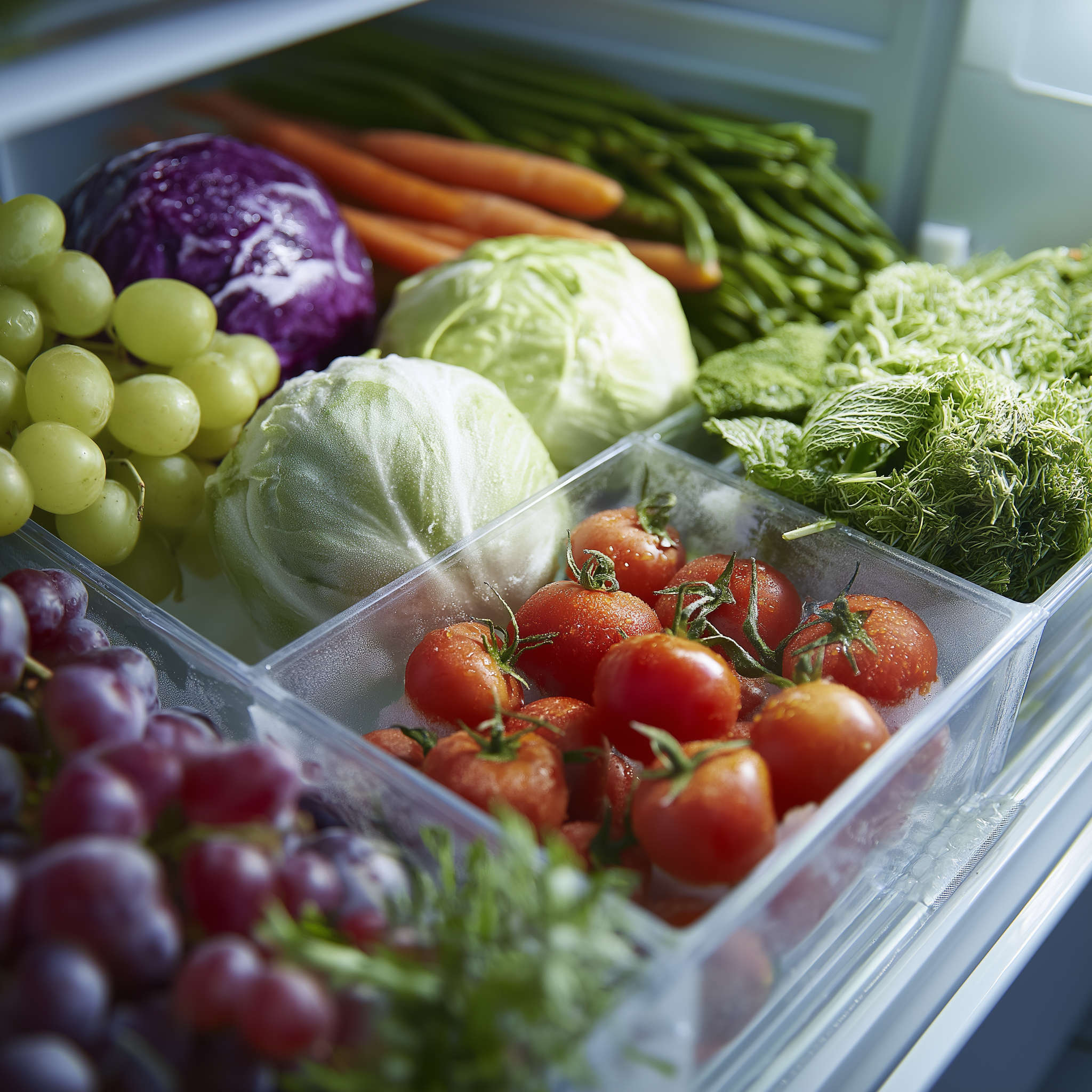
Everyday Alchemy: Cold and Raw Cautions
Learn about ways to maximize your digestive strength by being mindful of how much cold and raw food you are eating.
On Cold Food, Raw Food, and the Digestive Fire
There is a recommendation that comes up often in Chinese medicine clinics and almost never in the rest of the food conversation in this country: go easy on cold and raw foods, and when you do eat them, eat them in the season they grow, during the part of the day when your digestion is strongest, and in a smaller quantity than the salad-bar version of health would suggest. This runs against a lot of contemporary nutritional advice, which tends to frame raw vegetables and iced drinks as categorically good and to treat any caution about them as fussy or unscientific. The Chinese medical position is more specific than that, and once you see what it is actually claiming, it tends to stay with you.
Cold and raw foods have a place. The question the tradition asks is where that place is: which foods? in which season? at which time of day? and in what quantity?
Why the Digestive Fire Matters
In Chinese medical terms, the reasoning starts with the Spleen and Stomach, the paired organ systems responsible for what the tradition calls the transformation and transportation of food. The Spleen in this sense is the functional system that takes what you eat and drink and converts it into the substances the body actually uses, which is a larger role than the small immunological organ biomedicine names by the same word. That process runs on warmth. Classical texts describe the Stomach as a cooking pot and the Spleen Yáng as the fire underneath it, and the metaphor holds up well enough that it is worth taking seriously. Food that arrives cold has to be warmed to body temperature before the digestive system can work on it, and that warming costs the Spleen something each time. A cold meal occasionally is a small cost. Cold meals as a daily habit, especially in people whose digestive fire is already low, become a pattern called Spleen Yáng deficiency. The clinical presentation includes bloating that worsens after cold foods, loose stools, fatigue after eating, cold hands and feet, and a general sluggishness that people often attribute to stress or sleep when the more proximate cause is sitting on their plate.
Raw food sits in a similar category, slightly differently. Raw plant material is harder to break down than cooked plant material, because cooking does some of the work of digestion in advance by breaking down cell walls and making nutrients more available. A healthy digestive system handles raw food well. A depleted one struggles, and the difference shows up as the same bloating and sluggishness that cold food produces, often with more gas. Raw vegetables in moderation, in the warmer seasons when the body has less thermoregulatory work to do, eaten when digestion is strongest (daylight hours), are a different proposition from a kale salad at six in the evening in February.
The physiological picture in biomedical terms lines up with the traditional framing more than you might expect. Gastric emptying slows when the stomach has to warm incoming food. Digestive enzyme activity is temperature-dependent, with most enzymes working optimally at body temperature and dropping off sharply below it. Cold liquids in particular trigger transient vasoconstriction in the gastric mucosa, which reduces blood flow to the tissue that does the actual work of digestion. None of these effects is dramatic in a single meal. They accumulate across a dietary pattern, and they accumulate faster in people whose digestion is already compromised by stress, illness, medication, or age. The Chinese medical account of why cold and raw foods burden digestion describes a thermoregulatory and enzymatic reality that centuries of clinical observation identified well before laboratory measurement could confirm it.
Season, Time of Day, and Amount
Seasonality enters the picture because what grows locally at a given time of year tends to be what the body can actually use at that time of year. Summer produces the cooling, hydrating foods a warm body wants: watermelon, cucumber, tomato, leafy greens, soft fruits. Winter produces the denser, warming foods that support metabolic function in cold weather: root vegetables, cabbages, winter squash, alliums. The contemporary grocery store has flattened this calendar by making strawberries available in January and butternut squash available in July, but the body has not updated accordingly. Eating watermelon in January asks the digestive system to cool a body that is already working to stay warm. Eating strawberries in January gives you a fruit that was picked unripe, shipped thousands of miles, and contains a fraction of the nutrients it would have in June. The seasonal guidance is practical: work with the thermoregulatory situation the body is actually in.
The time-of-day question is the one patients find most counterintuitive, because the American food calendar tends to concentrate raw vegetables at dinner. In Chinese medicine, digestive capacity follows a daily rhythm. The Stomach and Spleen are at their strongest in late morning and midday, between roughly seven and eleven for the Stomach and eleven to one for the Spleen in the classical organ clock. By evening, digestive fire is lower, which is part of why heavy or cold meals late in the day produce more trouble than the same meals at lunch. If you are going to eat a big raw salad, lunch is a better placement than dinner. If you are going to drink a smoothie made of cold fruit and ice, morning is a better placement than after work (though to be honest, smoothies are one of the biggest culprits of weakened digestion). Shifting the raw and cold portion of the day earlier is one of the simplest adjustments a person can make, and it often produces a noticeable improvement in digestion within a week or two.
Quantity is the last piece, and it is where the practice tends to resolve for most people. The traditional guidance is that cold and raw foods should make up a minor portion of the plate, alongside a cooked main. A palm-sized serving of salad next to a warm dish is different from a dinner-plate-sized salad as the whole meal. A small glass of cold water with a meal is different from a large iced drink. Cold and raw foods place a real demand on the digestive system, and that demand should be sized to what the system can comfortably meet.
Putting all of this into practice tends to look less dramatic than it sounds. A reasonable pattern for most people is something like this. Start the day with something warm, whether that is congee, oatmeal, eggs, or just hot water with lemon before breakfast. Eat raw vegetables at lunch rather than dinner, in moderate quantity, alongside cooked food. Favor room-temperature or warm water over iced water with meals, and keep ice for hot days when you are genuinely overheated. Let the season guide the plate, which in practice means eating more raw and cooling food from late Spring through early Autumn and more cooked and warming food from late Autumn through early Spring. Dinner, in particular, benefits from being cooked and warm, with soups and stews doing real work in the colder months.
The signs that the shift is helping are usually subtle, but they build over time. Digestion that had been sluggish becomes more reliable. The bloating that used to follow certain meals stops happening. Energy after eating improves instead of crashing. Cold hands and feet warm up over weeks. These are the ordinary markers of a digestive system that has been given conditions it can work with, and they compound quietly over months.
I do want to name a tension that exists in this advice though. If you are someone who has been told, possibly repeatedly, that raw vegetables and cold-pressed juices are the foundation of a healthy diet, shifting toward cooked and warm foods can feel like you’re doing something wrong. That feeling should be acknowledged and then consciously set aside. We are not interested in the moral or “correct” way of eating, from any point of view. The Chinese medical view is that raw food is a particular kind of food with particular requirements, and that eating it without regard to season, time of day, or quantity places a load on digestion that a lot of people cannot comfortably carry. The work is mostly a matter of meeting the body where it actually is, not about a universal system of the “right” way to live.
The practice, in the end, is a form of attention. You are paying attention to what the season is offering, to when your digestion is at its strongest, and to how much of any given food your body can actually use. None of this is complicated, and none of it requires giving anything up. It requires only that the question of what to eat include the question of when to eat it, and in what company, and in what amount. Those questions have answers, and the answers tend to make the body feel better. That is the whole of it.